
A messy pile of cables often turns a simple task into a frustrating search. Drawers overflow, storage boxes knot up, and important cords seem to vanish the moment they are needed. Meanwhile, tangled cables face the risk of damage, shorter product lifespans, and pose safety hazards around workspaces and homes. Furthermore, replacing crippled cords becomes a needless expense that adds up pretty quickly.
As houses are becoming more dependent on electric appliances, cord management is no longer a possibility but rather a need. Properly installed and maintained cords will not only contribute to the safety, but they will also increase functionality and aesthetics.
This paper discusses the importance of cord management in households and its direct effect on safety, efficiency, and convenience in daily life.
1. Reduces Electrical Hazards
Among the most essential reasons to take care of cords, including extension cords is the necessity to minimize the risks of electrical hazards. Loose, tangled, or overloaded cords may produce heat, further exposing them to the danger of short-circuiting or even fire.
In addition, cords that run under the rugs or through narrow areas are usually subject to pressure and friction. Consequently, their insulation can deteriorate with time, exposing inner wiring. This may cause electrical shocks or fatal electrical faults.
In addition, because of poor cord arrangement, many devices are often connected to a single outlet without proper load distribution. As a result, this raises the likelihood of overheating.
By organizing cords thoughtfully, you ensure proper airflow, reduce stress on cables, and maintain safe electrical flow throughout your home.
2. Prevents Physical Accidents and Injuries
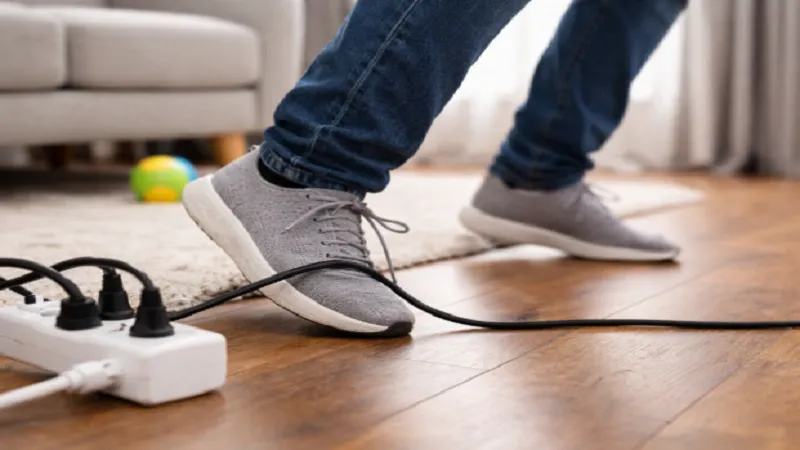
Other than electrical hazards, the untidy cords pose physical hazards. Trips and falls may occur easily due to cables running through walkways or hanging loosely on surfaces. This is particularly alarming when there are children, older people, or pets at home.
In addition, abrupt pulling or tripping can cause both the cord and the device attached to it to be damaged. For example, a laptop computer or appliance can fall if the cord is accidentally pulled.
In comparison, when cords are routed neatly along the side of walls or are held in place, movement around the home will be safer and more predictable. In addition, clips or organizers ensure that cables are not shifting into high-traffic areas.
Therefore, proper cord management not only helps your devices but also helps users to live in a safer environment.
3. Extends Lifespan of Electrical Cords
Cords are designed to be durable, but they are not immune to wear and tear. When left tangled or bent in sharp angles, the internal wires can weaken over time. As a result, performance decreases, and the risk of failure rises.
Similarly, cords that are often stepped on or are crushed by furniture also experience constant stress. This can then cause internal damage that may not be immediately apparent but presents a problem later.
On the other hand, when cords are properly coiled, stored, or routed, they retain their structural integrity. Additionally, avoiding tight knots or excessive bending helps maintain their flexibility.
By carefully managing cords, you can minimize the need for frequent replacements and ensure consistent performance over time.
4. Enhances Energy Saving and Efficiency
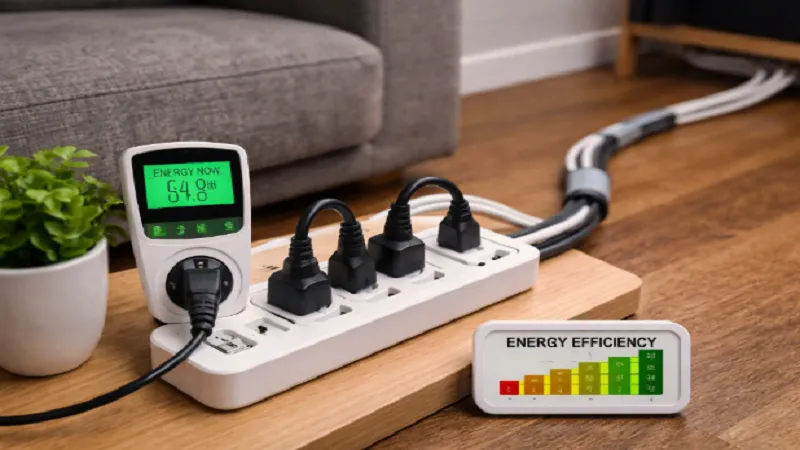
The cord management also contributes to the effectiveness of the flow of electricity to the devices. When cords are too long, tangled, or improperly connected, there may be slight resistance or voltage drop, especially with high-demand setups.
In addition, improperly organized cords tend to create ineffective use patterns. For example, using multiple connectors or using improperly rated cords will reduce the overall performance.
Conversely, power delivery will be more stable in case the cords are organized and chosen correctly based on the application. This will make sure that the devices work in their desired capacity without unnecessary burden.
Moreover, a well-organized arrangement simplifies the recognition and eradication of ineffective or idle links, which also enhances efficiency.
5. Increases Organization and Appeal
Disorganized space is usually initiated with tangled cords. The mess of visible cables can ruin the overall design even in a well-designed room. It creates a sense of disorder and makes the space feel less functional.
However, when cords are neatly laid out, hidden, or grouped up, the environment instantly seems more organized. Clean cable lines help create a more polished and intentional appearance.
Moreover, it is much easier to clean and maintain organized cords. It is also easier to dust, vacuum, or rearrange the furniture when the cables are not present.
As a result, cord management improves the aesthetic of your living spaces, as well as improving their usability.
6. Makes Maintenance and Troubleshooting Easier
Cords that are not organized can be frustrating and time-consuming when a failed connection is identified. The tangled cables complicate the process of identifying the device to which each cord is attached.
Also, when unplugging or replacing a cord, it may take several minutes to unwind several wires, which may lead to disconnections.
In contrast, a well-managed system will enable you to quickly find and access individual cords. This is further simplified by labeling or grouping cables.
In addition, inspection can be conducted routinely when the cords are well placed and visible. This will ensure that you notice damage early before it can become a serious problem, such as fraying or discoloration.
Conclusion
Cord management around homes has a lot more to do than keeping spaces tidy. It has a direct impact on safety, efficiency, durability, and overall convenience. From mitigating electrical hazards to preventing physical accidents, the benefits are both immediate and long-term.
Moreover, well-managed cords allow for better performance and an easy day-to-day task, such as cleaning and maintenance. As homes are still dependent on more electrical devices, having an organized cord setup is a necessity.
By adopting simple but effective cord management principles, you are creating a safer, more efficient, and visually appealing living environment.