
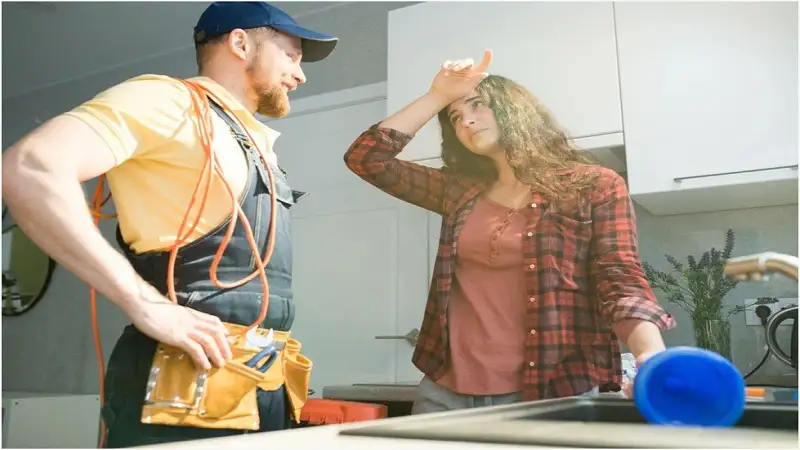
Blocked drains aren’t just an occasional annoyance — they’re a common problem that can quietly escalate into serious issues for both homes and commercial properties. While many property owners notice a slow sink or backed-up toilet and put off fixing it, the truth is that untreated blockages can cause more than inconvenience. When left unaddressed, they can affect your health, harm your property’s structure, inflate repair costs, and even impact the environment around you. In this article, we’ll explore the root causes of blocked drains, the risks they pose, and practical steps you can take to protect your property before small warnings turn into major problems.
Causes of Blocked Drains
One of the most common causes of blocked drains is the buildup of grease and fat. When these substances are washed down kitchen sinks, they cool and solidify in the pipes, forming sticky barriers that gradually restrict water flow. Likewise, debris like hair, cotton swabs, sanitary products, wipes, and other foreign objects flushed down the toilet can accumulate and create stubborn clogs deep inside your plumbing.
Nature can be an unexpected culprit, too. Tree roots naturally search for moisture and can infiltrate drainage pipes, causing significant blockages or even damaging the pipe walls. Weather conditions also play a role — heavy rains can overwhelm systems not designed to handle sudden inflows, while freezing temperatures in colder climates can cause residual water to expand and crack pipes.
Everyday habits matter as well. Frequent disposal of non-biodegradable items, neglecting routine drain cleaning, and lack of preventive maintenance all contribute to recurring blockages. Older plumbing systems, in particular, may struggle under modern usage patterns, leading to slow drains and frequent backups.
Health Risks Associated with Blocked Drains
Blocked drains do more than slow down your sink — they can be a significant health hazard. When wastewater can’t flow properly, contaminated water can seep toward clean water supplies or puddle in places it shouldn’t, creating environments where harmful bacteria and pathogens thrive. Exposure to these contaminants can lead to gastrointestinal diseases and skin infections if there’s direct contact.
Stagnant water left by slow or blocked drainage also becomes a breeding ground for mould and mildew. These fungi flourish in damp conditions and release spores that can trigger or worsen respiratory issues, especially for those with allergies or asthma.
Standing water attracts pests, too. Mosquitoes lay eggs in still water, rodents are drawn to moist environments, and both can carry diseases. In some cases, wastewater gases like methane and hydrogen sulphide may accumulate around significant blockages, posing further respiratory risks and contributing to unpleasant odours.
Financial Implications of Ignored Drain Issues
Putting off drain problems might save time now, but could cost significantly more later. Emergency plumbing services — especially outside regular business hours — typically cost a premium. If a minor blockage turns into a major pipe collapse, foundation damage, or extensive water damage, repair bills can quickly escalate into the thousands.
Neglected drain issues can also lower your property value. Prospective buyers may view persistent plumbing problems as a costly headache, potentially reducing offers or complicating sales. Insurance claims related to water damage may be denied if insurers classify the cause as poor maintenance rather than an unforeseen event.
Instead of reactive repairs, investing in regular inspections and early interventions can save you money over time by catching issues before they become emergencies.
Environmental Impact of Blocked Drains
Blocked drains don’t just affect your home — they can harm the broader environment too. Sewage overflow caused by blockages can spill into streets, parks, or waterways, polluting local ecosystems. Runoff contaminated with waste can damage local wildlife habitats and reduce water quality, setting off a chain reaction of ecological consequences.
Adopting sustainable habits — like reducing the use of non-biodegradable products and choosing eco-friendly drain cleaners — helps limit these impacts. Some of today’s advanced drainage solutions and bio-enzymatic cleaners break down organic material without harsh chemicals, offering a greener way to maintain your pipes long-term.
Preventive Measures and Solutions
The good news? Many blockages can be prevented with simple habits and regular maintenance. Start with everyday practices like using drain strainers to catch food scraps and hair, avoiding pouring fats down the sink, and never flushing wipes or other non-flushable items.
Professional plumbing inspections are invaluable. Modern tools like CCTV drain cameras allow plumbers to see inside your pipes and identify early warning signs before they turn into expensive problems. These technologies help pinpoint issues without guesswork — saving both time and money.
When it’s time to call a professional, always choose licensed and reputable plumbers. Their expertise and tools can resolve issues safely and effectively, unlike some DIY fixes that may temporarily succeed but can damage pipes in the long run.
Wrap-Up & What to Do Next
Blocked drains may start as a minor annoyance, but their impact can ripple outward — affecting your health, finances, property integrity, and local environment. The key is to stay proactive: maintain your drains, recognise early warning signs, and address issues promptly.
If you’ve ever wondered how drains warn you before a big blockage, paying attention to slow drainage, unusual sounds, foul smells, or gurgling toilets can be your first line of defence. Don’t wait until the problem worsens — take action early and protect your home.
Ready to keep your plumbing in top shape? Contact a trusted local plumber today to assess your system and stop drainage issues before they become costly emergencies.