
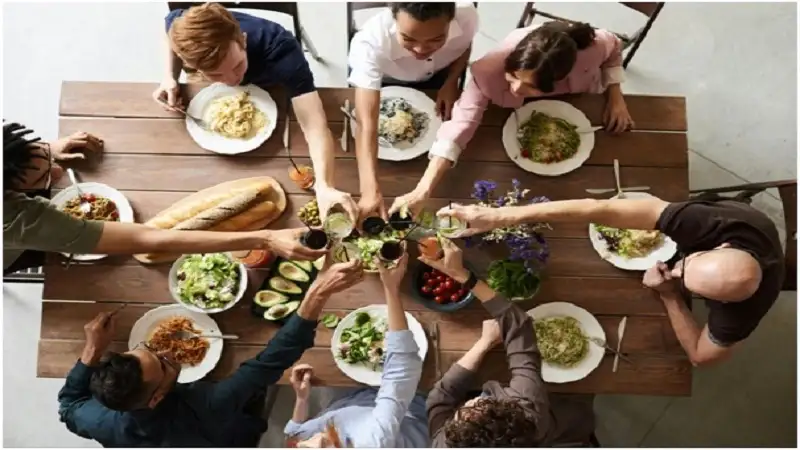
On any given festival day, the world is a patchwork of sounds and colors. Fireworks echo over crowded capitals, while in quiet villages candles glow on small kitchen tables. Many societies circle the same dates on their calendars—New Year’s, harvest festivals, religious observances—yet what happens on those days can look dramatically different from place to place. Understanding those differences helps us see what people value, remember, and hope for.
Modern technology has added another layer to old customs. Families who once gathered only in one living room now spread across continents, joining celebrations on video calls and sharing digital experiences, from streaming concerts to online games and even entertainment on betting platforms, including card-based options such as fan tan game online, before they sit down to a traditional meal. The holiday may be the same, but the way it is lived keeps changing with each generation.
Shared dates, different meanings
Take the turning of the year as an example. Many cultures celebrate some form of New Year’s Day, but the symbolism and customs vary widely. In some places, people write thoughtful lists of resolutions and watch a televised countdown in a city square. In others, the new year is tied to lunar cycles and agricultural rhythms, marked by days of temple visits, lion dances, or quiet ancestral rites at home.
Even when holidays have a common origin, history reshapes their meaning. A date that began as a religious feast might become, in a different national context, a patriotic holiday or a secular winter celebration with lights and gifts. The shared label—“New Year,” “harvest festival,” “spring holiday”—hides layers of distinct narratives about hardship, migration, colonialism, or resistance. Looking closely at how people talk about the same event reveals as much about their past as it does about their present.
Food as a language of memory
If you want to understand a holiday, look at what is on the table. Food is one of the most expressive parts of any tradition, and it often carries the deepest emotional weight. A sweet cake, a fragrant stew, or a simple dumpling can symbolize prosperity, remembrance, or gratitude, depending on the culture.
Interestingly, even when the purpose of a holiday overlaps—say, giving thanks for a successful harvest—the dishes can be wildly different. One family may gather around roasted vegetables and pies; another might focus on rice dishes, grilled meats, or elaborate sweets made only once a year. In some communities, forbidden or taboo foods are carefully avoided on special days; in others, a usually restricted ingredient becomes an indulgent treat.
Migration and diaspora complicate this picture in fascinating ways. Families abroad might recreate “home” flavors as best they can, substituting local ingredients and inventing hybrid recipes. Over time, these improvised dishes become their own cherished traditions, proving that the emotional meaning of a holiday meal is often stronger than its exact recipe.
Rituals of light, sound, and space
Across cultures, many holidays use light to push back against darkness—literally and metaphorically. Lamps, candles, lanterns, bonfires, and illuminated streets all express hope, renewal, or victory. Yet the way light is used, and the stories attached to it, differ sharply.
In one country, a winter festival might involve quiet candlelit services and moments of serene reflection. In another, the same time of year is celebrated with deafening fireworks, glowing paper lanterns, and crowded midnight streets. Some rituals are intensely public—parades, loud music, dancing in flamboyant costumes. Others stay intimate: a silent walk to a graveyard, a modest offering at a household shrine, or a handwritten note left under a pillow.
The spaces of celebration also vary. Urban centers often develop spectacular public displays, while rural areas may focus on family courtyards, village squares, or local religious sites. The same date can feel like an enormous civic event in a capital city but like a deeply private, even austere, observance in a remote community.
Family, community, and the question of who is “us”
Holidays inevitably raise the question of belonging: who is invited, and who is left out? In some cultures, major festivals emphasize the extended family. People travel long distances to return to their hometown, and social pressure to “go home” can be intense. In other places, the same event is more about friends, neighbors, or even strangers, with public meals, open houses, and community performances.
The roles within the household can be quite specific. Grandparents may lead prayers or storytelling, older children might handle decorations, and younger ones participate through simple symbolic acts. Gender expectations sometimes surface sharply around holidays: cooking, cleaning, and hosting may fall disproportionately on women, while men take charge of public rituals or speeches. In other societies, those roles are more fluid, and modern generations actively renegotiate them.
There are also subtle tensions between inclusion and exclusion. Minority groups within a country may adapt the majority’s holiday practices while maintaining their own parallel observances. People from secular or mixed-background families might join in certain customs but skip others. The same event can be a joyful affirmation of identity for some and a complex, even uncomfortable, reminder of difference for others.
Globalization, tourism, and the remixing of tradition
Global travel and media have turned many local holidays into international spectacles. Tourists fly in for colorful festivals, winter markets, or dazzling light displays, expecting entertainment and photo opportunities. This interest can bring economic benefits and cultural pride, but it also changes the celebration itself.
Local organizers may adapt rituals to be more visually dramatic, schedule events to suit visitors, or simplify complex traditions into brief, easily explained segments. Souvenir stalls, street food, and staged performances grow around rituals that were once small or semi-private. Meanwhile, people abroad adopt fragments of distant traditions—decorations, dishes, or catchy songs—without necessarily knowing the deeper stories behind them.
At the same time, digital culture encourages a playful remixing of holidays. People combine elements from multiple traditions in a single home: a tree next to an oil lamp, dumplings served with spiced cookies, or a quiet ritual followed by a very modern party. Memes and social media trends add humorous twists—matching pajamas, themed selfies, or elaborate outdoor displays—and these, too, become part of how the holiday is “supposed” to look.
Why differences matter
It might be tempting to treat global holidays as essentially the same: a day off work, some special food, a few decorations, a polite greeting. But the differences in how people celebrate the same events are more than charming details. They reveal what each community fears and hopes for, what history it carries, and how it imagines the future.
In a world where cultural exchange is constant, paying attention to these nuances becomes a quiet act of respect. Asking why one family leaves an empty chair at the table, why another fasts before feasting, or why a city stays eerily quiet on a day that is noisy elsewhere, opens up space for meaningful conversation. It reminds us that beneath the fireworks, candles, and sweet pastries, holidays are narratives about who we are and who we want to be.
Ultimately, seeing how differently people mark the same dates does not divide us; it highlights our shared human needs—for belonging, for remembrance, for hope—expressed in beautifully varied ways.