
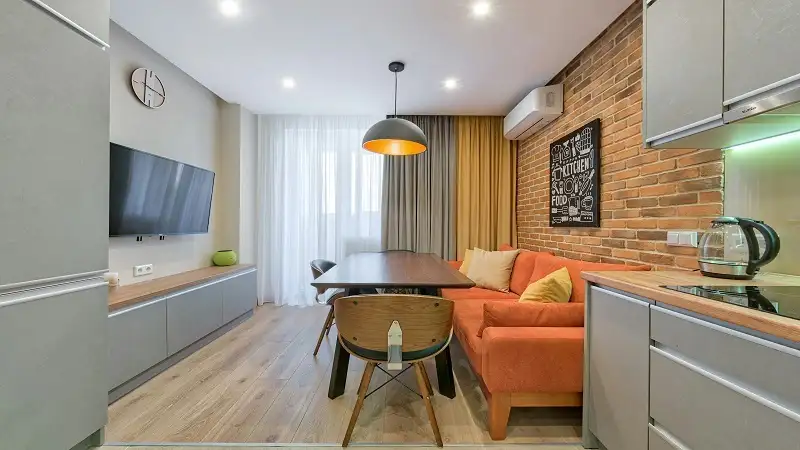
Designing a compact home can be both exciting and challenging. Limited square footage might seem restrictive at first, but with the right strategies, even the smallest rooms can shine with personality, comfort, and function. The key is to make intentional choices that enhance flow, maximize storage, and maintain a feeling of openness. Whether you live in a studio apartment, a shared dorm room, or a cozy family home, smart design can help you create a space that feels stylish and efficient.
This article covers practical and easy-to-follow design ideas that work for any compact living situation. You don’t need a huge budget or professional expertise—just a thoughtful approach and a willingness to try new things.
1. Start With a Clear Understanding of Your Space
Before you buy furniture or decorations, take time to study your space. Compact homes require smart planning, and this first step helps prevent costly or clutter-inducing mistakes.
Important things to note include:
-
Room measurements (length, width, and height)
-
Window placement, which affects light and furniture layout
-
Traffic pathways so movement isn’t blocked
-
Wall space for shelving or vertical storage
-
Corners or nooks that can serve new purposes
Take photos or sketch a simple floor plan. This helps you visualize what will fit, what won’t, and what areas have the most potential.
Understanding your space also helps you prioritize what you truly need. Compact living works best when everything has a purpose.
2. Use the Keyword Concept as a Guiding Design Philosophy
The idea behind “Small Space, Big Style: Smart Design Tricks for Compact Homes Made Easy” is more than just a title—it’s a simple, practical approach to interior design. The philosophy focuses on balancing function, comfort, and style without relying on large rooms or large budgets.
This mindset encourages you to:
-
Avoid overcrowding
-
Choose pieces wisely
-
Focus on multi-use items
-
Keep your layout flexible
-
Add personality through small but meaningful details
By embracing this idea, you’ll naturally create a home that feels more open, organized, and thoughtfully arranged.
3. Declutter Before You Redecorate
One of the fastest ways to improve a compact home is to remove unnecessary items. Clutter immediately makes small spaces feel smaller, so start with a clean slate.
Try these decluttering tips:
-
Clear surfaces like tables, desks, and countertops
-
Donate items you haven’t used in a year
-
Sort belongings into “keep,” “donate,” and “discard” piles
-
Use baskets or bins to group related items
-
Avoid keeping duplicates unless necessary
Decluttering doesn’t mean removing your personality. It simply allows your favorite items to stand out rather than getting lost in the noise.
4. Choose Multi-Purpose Furniture to Maximize Functionality
Furniture in compact spaces works best when it serves more than one role. Multi-purpose pieces reduce clutter, enhance comfort, and make daily life easier.
Some great examples include:
-
A sofa bed for seating during the day and sleeping at night
-
Storage ottomans for blankets, games, and extra items
-
A fold-down desk mounted on the wall
-
Benches with hidden compartments
-
Nesting tables that expand when needed
-
Murphy beds that free up floor space
These pieces keep your home flexible and ensure that every inch is used efficiently.
5. Use Light and Color to Open Up Your Space
Light and color influence how big a room feels. Bright, open spaces always appear larger, even when they aren’t.
Good strategies include:
-
Using lighter colors like white, cream, light gray, or pale blue
-
Keeping window coverings sheer to allow natural light in
-
Placing mirrors across from windows to reflect light
-
Using lamps to create warm, layered lighting
-
Adding reflective materials such as chrome or glass
Small rooms benefit from consistent color themes. Too many bold or dark shades can weigh down the space, while light, airy tones lift the atmosphere.
6. Think Vertically Instead of Horizontally
When floor space is limited, don’t forget about your walls. Vertical space often goes unused even though it offers great storage and design opportunities.
Ways to use vertical space wisely:
-
Install floating shelves for books or décor
-
Use tall bookcases instead of wide ones
-
Add hooks behind doors for bags or jackets
-
Hang pots and utensils in the kitchen
-
Use pegboards for tools, craft supplies, or accessories
-
Mount your TV instead of using a bulky stand
Vertical design not only helps with storage but also draws the eye upward, making your room feel taller and more open.
7. Create Clear Zones to Improve Flow
Compact homes often blend several functions into one room. This can cause confusion or clutter unless you create clear zones for each activity.
You can separate zones by:
-
Using area rugs to mark different sections
-
Positioning furniture to divide one area from another
-
Adding lighting that matches each zone’s purpose
-
Choosing different color accents for work, rest, or dining areas
For example, a small corner with a lamp and comfy chair can become a cozy reading area, while a compact table near the kitchen can act as both a dining and study space.
8. Keep Décor Simple but Meaningful
Too much decoration quickly overwhelms a compact home. Instead of filling your space with small items, choose décor that creates impact without taking up too much room.
Great decorative ideas include:
-
A single piece of wall art that sets a theme
-
Cozy throw blankets and textured pillows
-
Plants that add color and freshness
-
Stylish storage baskets
-
Mirrors or framed photography
-
A few well-chosen accessories
Remember, meaningful décor always looks better than random clutter.
9. Smart Storage Solutions Make a Big Difference
Good storage is essential in a compact home. The right storage tools help you stay organized and give your room a cleaner, more spacious feel.If you still need extra space after applying clever storage tricks, consider using storage units Calgary, a simple way to keep seldom-used belongings safe while freeing up room in your compact home.
Helpful storage ideas include:
-
Under-bed bins for seasonal items
-
Drawer organizers for clothes or accessories
-
Hanging closet shelves
-
Stackable storage cubes
-
Kitchen risers to increase cabinet space
-
Rolling carts that can be moved around easily
When everything has a place, your home becomes much easier to maintain.
10. Use Transparent or Slim Furniture to Maintain Visual Flow
Bulky pieces can overwhelm a small room. Transparent furniture or slim-line designs help create a sense of openness.
Try incorporating:
-
Glass coffee tables
-
Acrylic chairs
-
Open-leg furniture instead of boxed-in pieces
-
Minimalist shelving
These items offer function without blocking the eye, resulting in a cleaner, more spacious appearance.
11. Add Texture for Warmth Without Adding Bulk
Texture makes compact spaces feel inviting and layered. It creates visual interest without taking up much room.
Lightweight texture ideas include:
-
Soft textiles like throws or pillows
-
Woven baskets or rugs
-
Wooden accents
-
Light linen curtains
-
Textured wall panels or art
Small touches of texture add depth without contributing to clutter.
12. Keep Your Layout Flexible
The more flexible your layout, the more easily you can adapt your space to everyday life. Compact homes often change roles throughout the day—from studying to relaxing to entertaining—so flexible furniture helps tremendously.
Tips for a flexible layout:
-
Keep heavy furniture to a minimum
-
Choose movable pieces like stools or rolling carts
-
Avoid blocking natural walkways
-
Rearrange seasonally to refresh your space
Flexibility keeps your home feeling fresh and functional.
13. Make Purposeful Choices for Every Item
Because compact spaces have less room, intentional choices matter. Everything you bring into your home should serve a purpose or add something valuable to the space.
Ask yourself:
-
Does it fit the scale of the room?
-
Does it solve a problem?
-
Does it add comfort or beauty?
-
Does it help with storage or organization?
When you choose items with purpose, your home becomes more cohesive and comfortable.
14. Bringing It All Together
Creating a beautiful compact home doesn’t require a big budget or tons of space. By using smart design techniques, maximizing vertical space, choosing multi-purpose furniture, and keeping décor meaningful, you can achieve a stylish and functional environment that fits your lifestyle.
The guiding idea of “Small Space, Big Style: Smart Design Tricks for Compact Homes Made Easy” reminds us that small living spaces hold enormous potential. With creativity, thoughtful planning, and a focus on simplicity, you can transform your compact home into a place that feels open, organized, and full of personality.
As you continue designing, let the principles behind “Small Space, Big Style: Smart Design Tricks for Compact Homes Made Easy” help guide your choices. Focus on solutions that add value, reduce clutter, and support your daily routines. Even small improvements can have a big impact.
In the end, compact homes thrive when you combine function with comfort. By embracing flexible layouts, smart storage solutions, light-enhancing colors, and personalized décor, your home will reflect the true spirit of “Small Space, Big Style: Smart Design Tricks for Compact Homes Made Easy.”